
Verband der Fenster & Fassadenhersteller e.V.

A State-of-the-Art Exterior
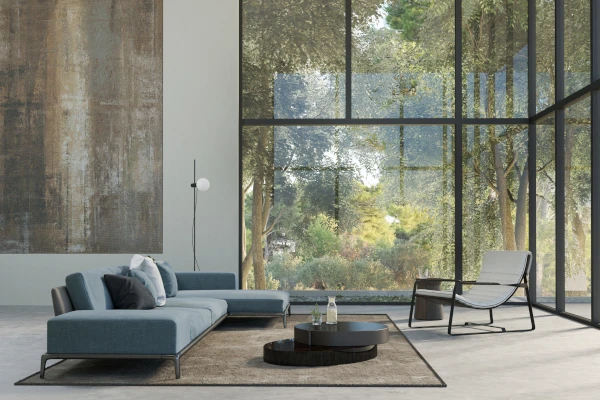
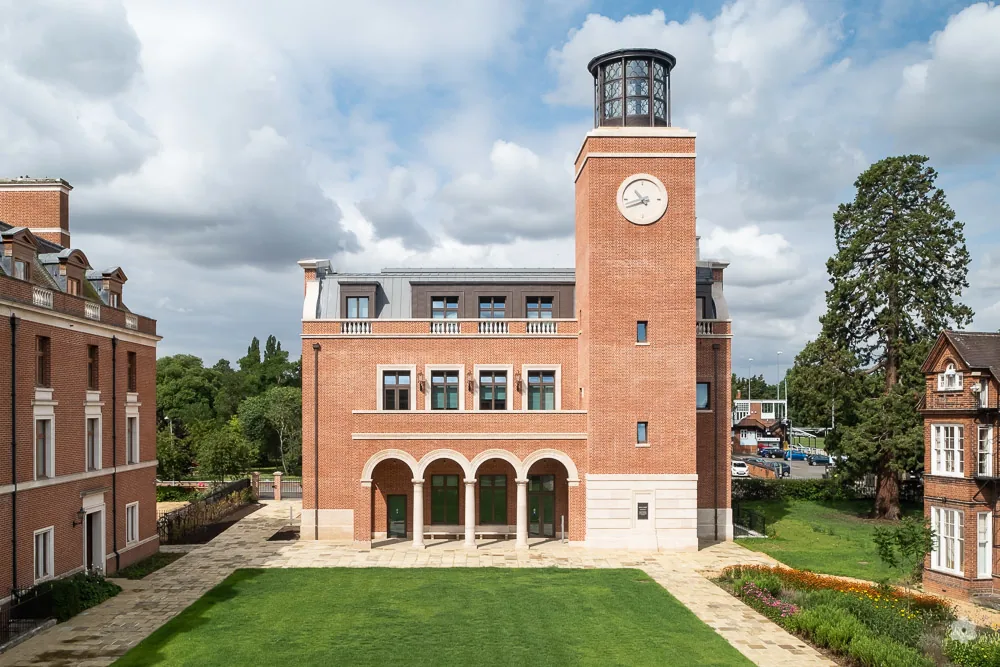
At Neuffer, we pride ourselves on creating custom solutions that perfectly meet project requirements and customer preferences. Even though they are some of our largest products, facades are no exception here; with a range of different construction types, they can be made to suit different building types and materials while purpose-designed glazing can be tailored to achieve nuanced solar, thermal, security, and noise reduction performance.
Types of Facades
To supply a precisely designed and detailed product, we work closely with our clients, arranging consultations with our expert team. Once detailed building plans and information have been provided, we will look at the best solution for your property based on dimensions, wind loads, and more. Generally, we recommend variants of one of two key systems: unitized exteriors or curtain walls.
The Technology behind the Products
To supply durable exteriors that will withstand high pressures and weights, incredibly strong and large aluminum or steel profiles are used in innovative ways. For a curtain wall, for example, the profiles on the lower floors, that are under more strain, feature additional integrated metal reinforcement.
The Perfect Solution for Every Project
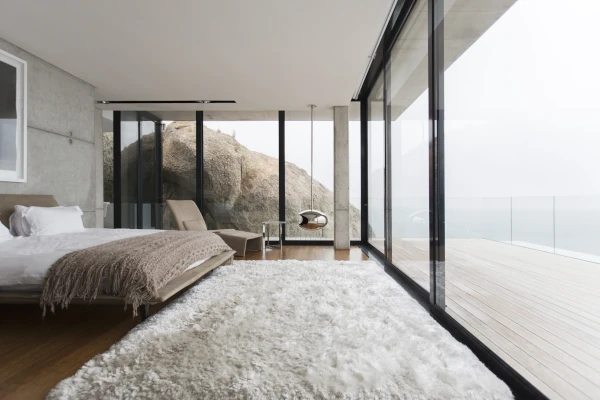
Whether it’s a new construction or a renovation—at Neuffer, bespoke solutions are our core focus. Using our expert knowledge, we bring visions to life across the globe: from modern mountain chalets in the Rockies to elegant beach houses on the New Zealand coast. These projects showcase the versatility of our products and their ability to adapt to diverse climates and architectural styles. Your dream project is in the best of hands. Let’s create something great together—contact us today!



Enhance and Tailor Performance
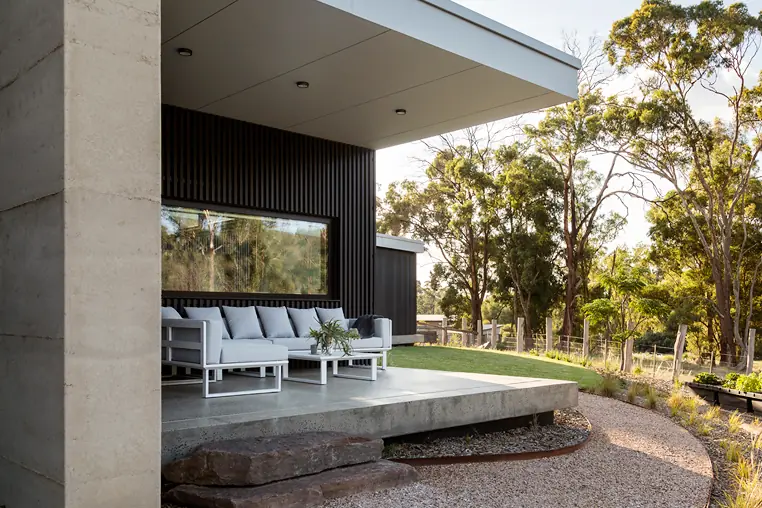
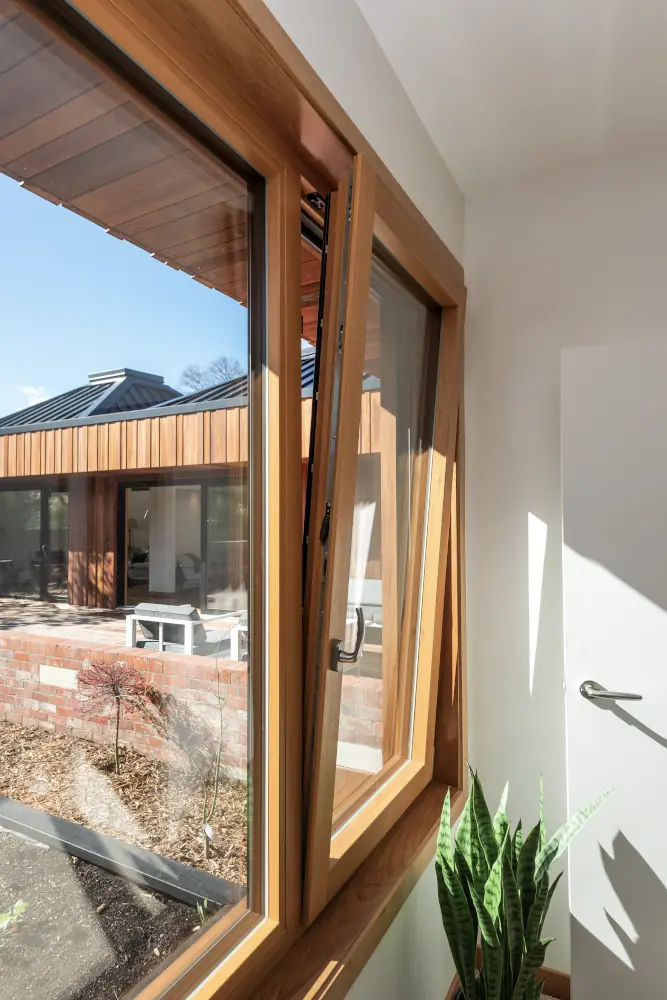
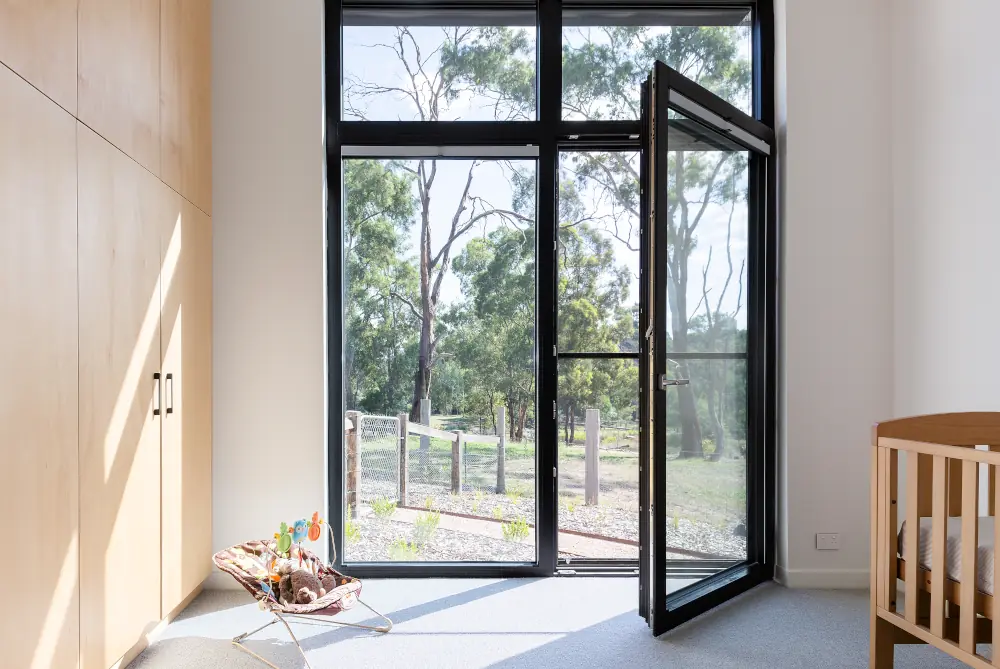
Because of the size of the surfaces, the type of glass used in facades plays a large role when it comes to its functional features. To enhance break-in protection and create fronts that can withstand very high winds, even up to hurricane level, tempered and laminated glazing can be used, for example. Tempering and lamination are two professional processes carried out during production. They make the glass more flexible and mean that invisible PVB foil interlayers are added between panes to form a thicker and stronger surface that is very hard to break. To add style or provide seclusion, various decorative design and darkened or frosted privacy finishes are also available.
The glass can also be purpose-designed for excellent thermal insulation and soundproofing. Three or four panes can be used, for instance, with the space between them filled with inert argon gas. This makes the surface thicker and reduces heat loss via conduction while also slowing the travel of sound waves. To further reduce noise, special invisible “silence foil” layers can also be added. When it comes to solar radiation, various low-e coatings are then also available to control temperature increases by reflecting excess UV or infrared rays while still letting in the visible light needed for bright spaces.